
Villa Foscari “La Malcontenta”
Mira (Venice), 2025–2027
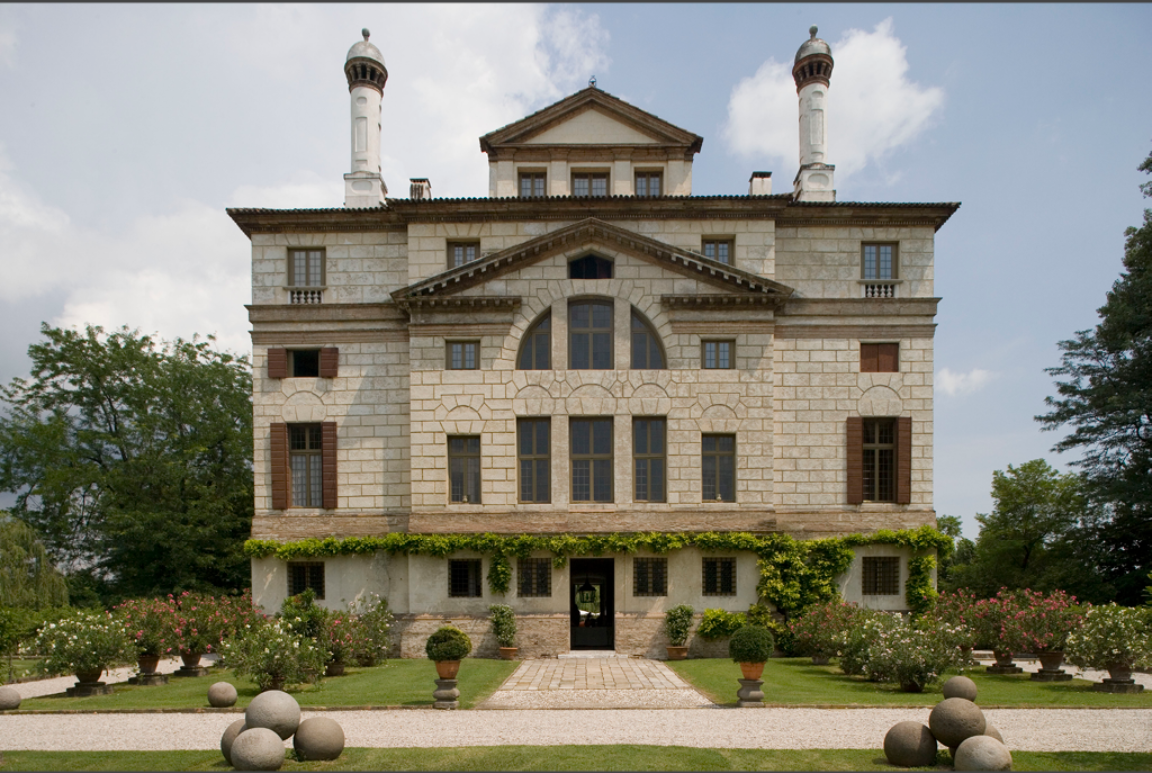
Villa Foscari, known as La Malcontenta, stands on the banks of the Brenta, the historic waterway linking Venice with the mainland. Overlooking the river, the villa asserts a monumental presence in the landscape through the distinctive character of Palladio’s architecture.
Designed by Andrea Palladio for the brothers Nicolò and Alvise Foscari in the mid-sixteenth century, the villa is one of Palladio’s most original interpretations of the country residence. Raised on a high base, the building is distinguished on the Brenta façade by an imposing Ionic pronaos inspired by classical architecture. On the piano nobile, two apartments are arranged on either side of the large cruciform central hall, the architectural focus of the building.
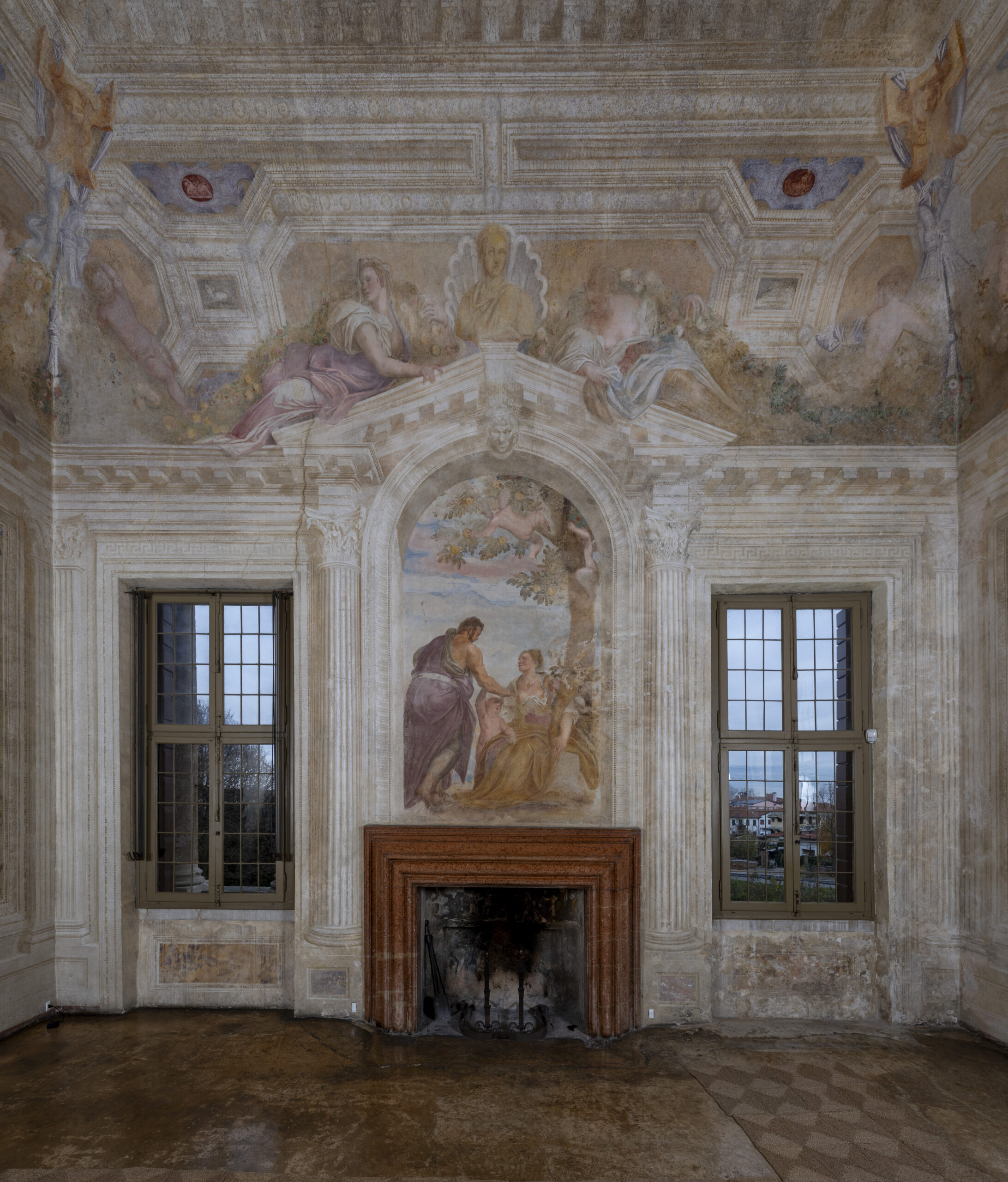
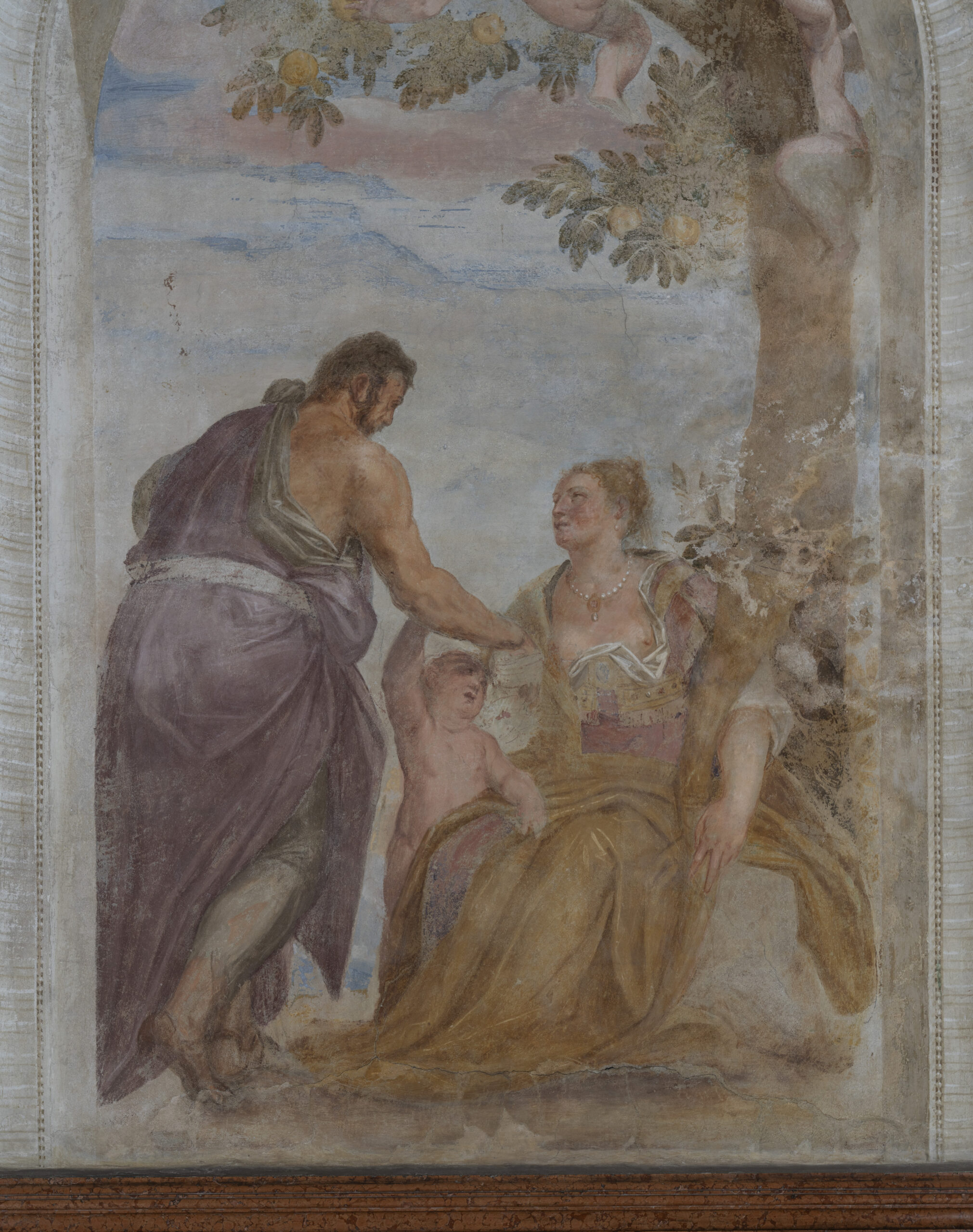
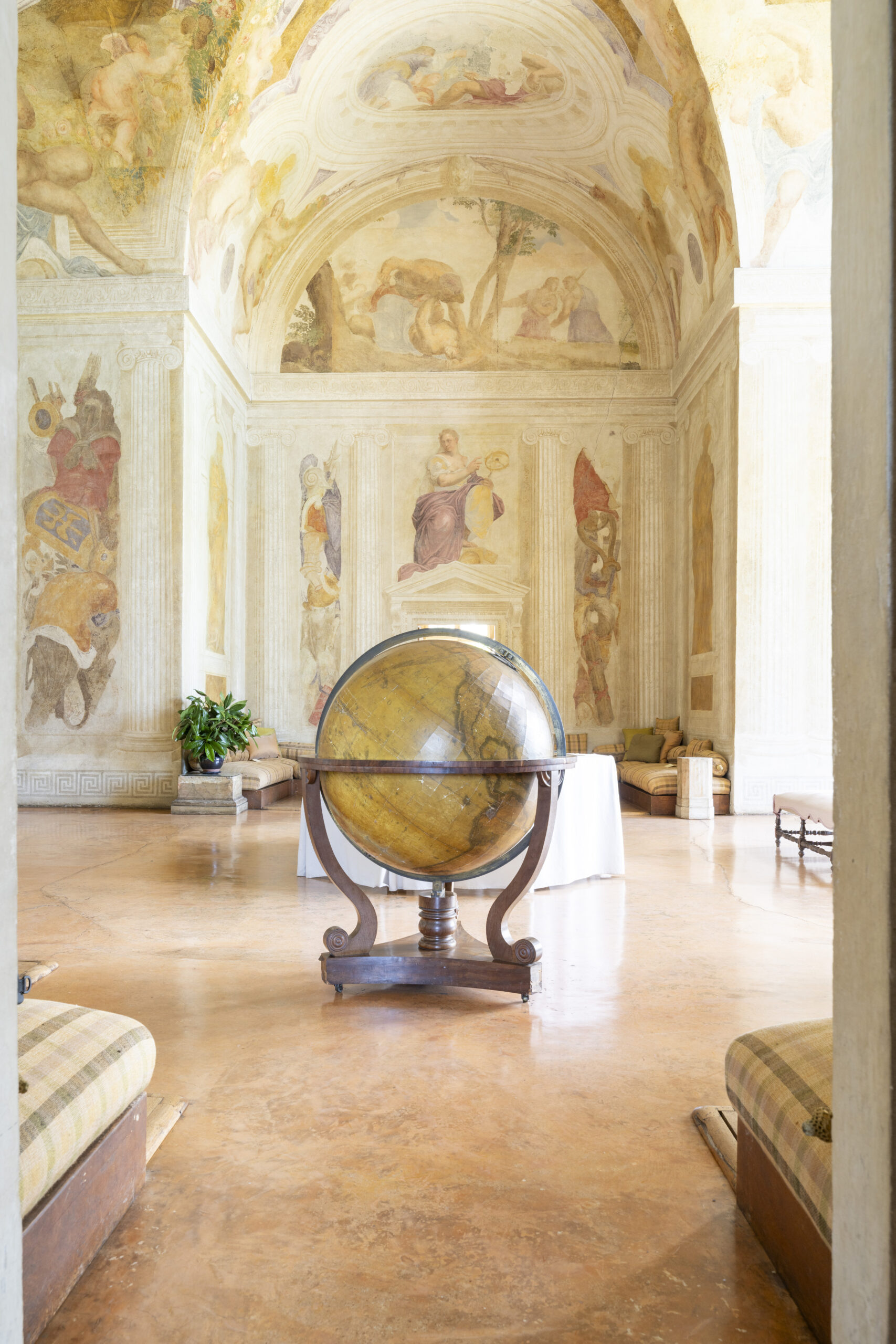
A defining feature of La Malcontenta is the relationship between its architecture and the painted programme covering the rooms of the piano nobile. Executed in several phases during the sixteenth century, the decoration was conceived in close dialogue with Palladio’s spaces. Painted architecture extends the real architecture through columns, portals, niches, balustrades and illusionistic views, expanding the perception of the interiors.
The principal artist responsible for the decoration was Battista Zelotti, one of the leading painters active in the decoration of Venetian villas in the sixteenth century, assisted at different stages by Battista Franco, Bernardino India and other collaborators. Allegorical figures, mythological episodes and landscapes form a complex iconographic programme in which painting and architecture create a unified whole.
Villa Foscari is today part of the serial property “City of Vicenza and the Palladian Villas of the Veneto”, inscribed on the UNESCO World Heritage List.
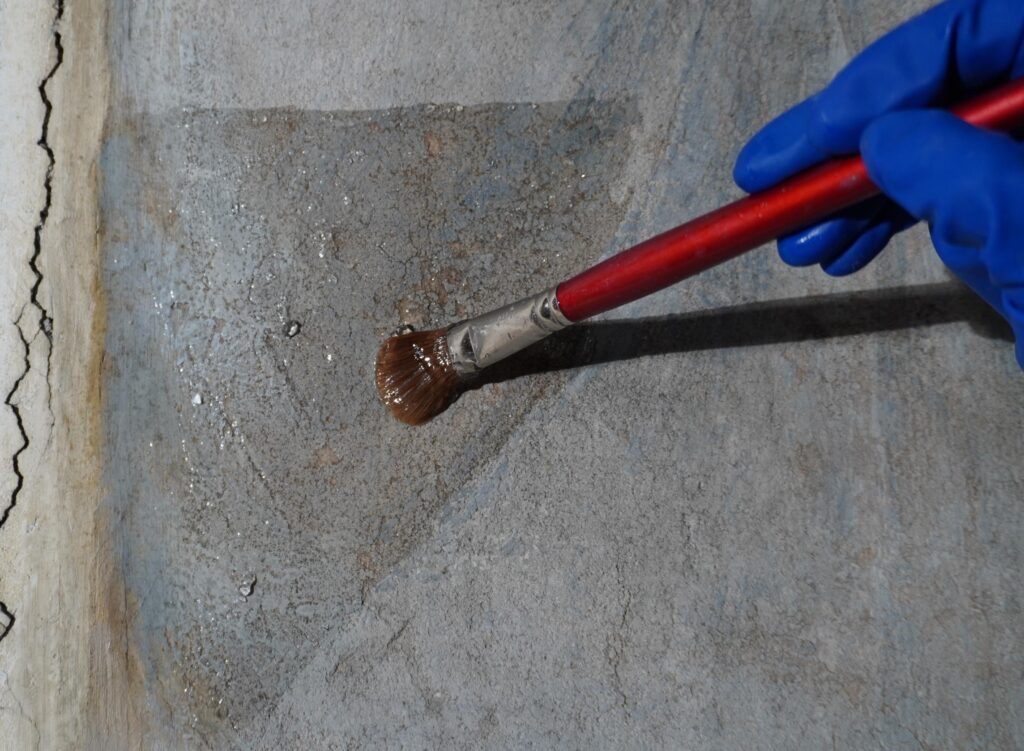
During the nineteenth century the villa underwent a period of severe decline, and parts of the wall paintings were detached and dispersed. Surviving surfaces were partly covered with limewash and were only gradually brought back to light during the twentieth century. This complex conservation history left losses, alterations and traces of earlier interventions, making new conservation and restoration work necessary today.
Conservation Project
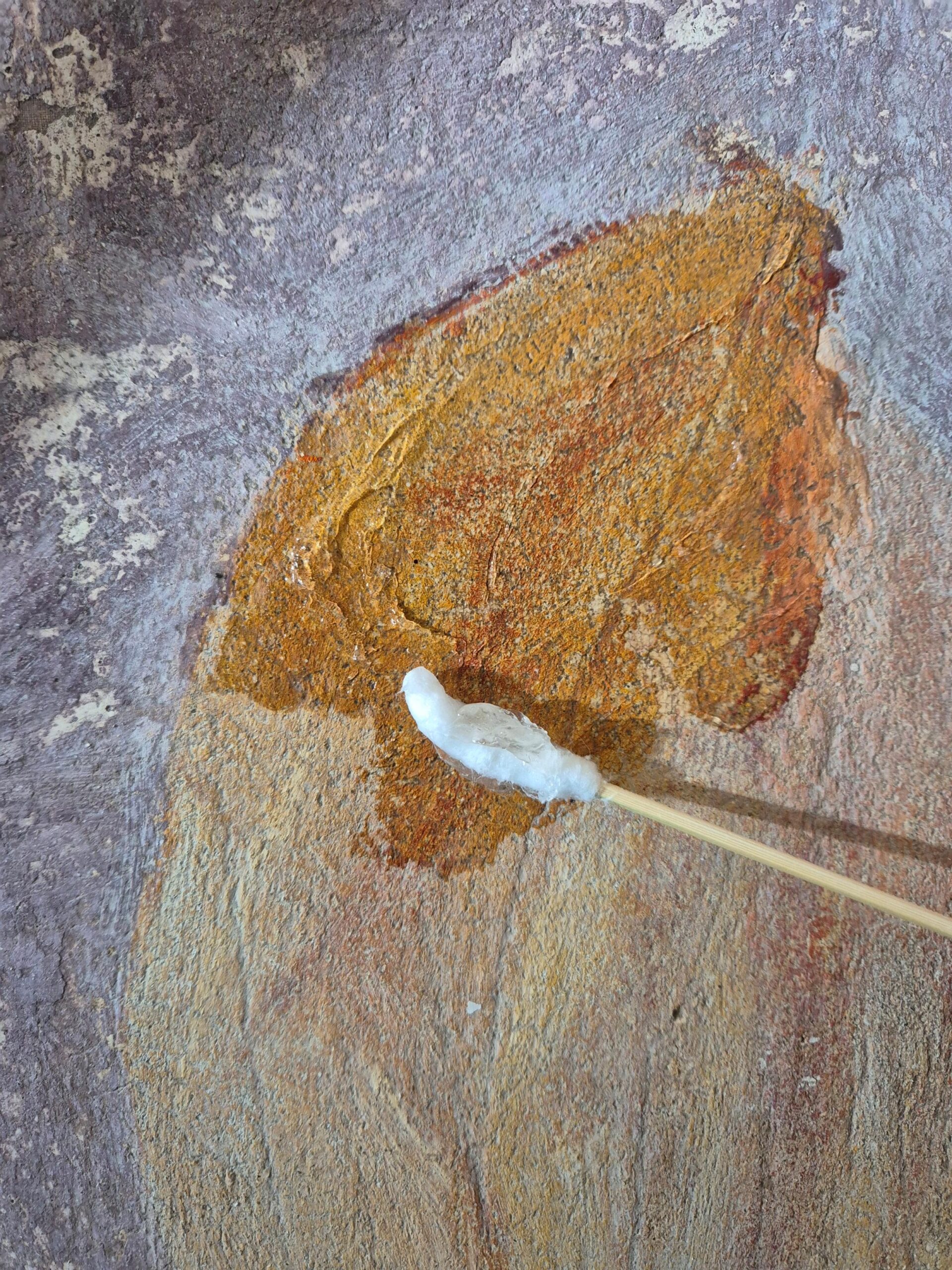
Since 2025, the Foundation has supported a multi-year conservation and restoration programme focusing on three rooms on the villa’s piano nobile. The project is being carried out in successive phases, with the aim of preserving the painted surfaces while deepening knowledge of the execution techniques and the complex conservation history of the cycle.
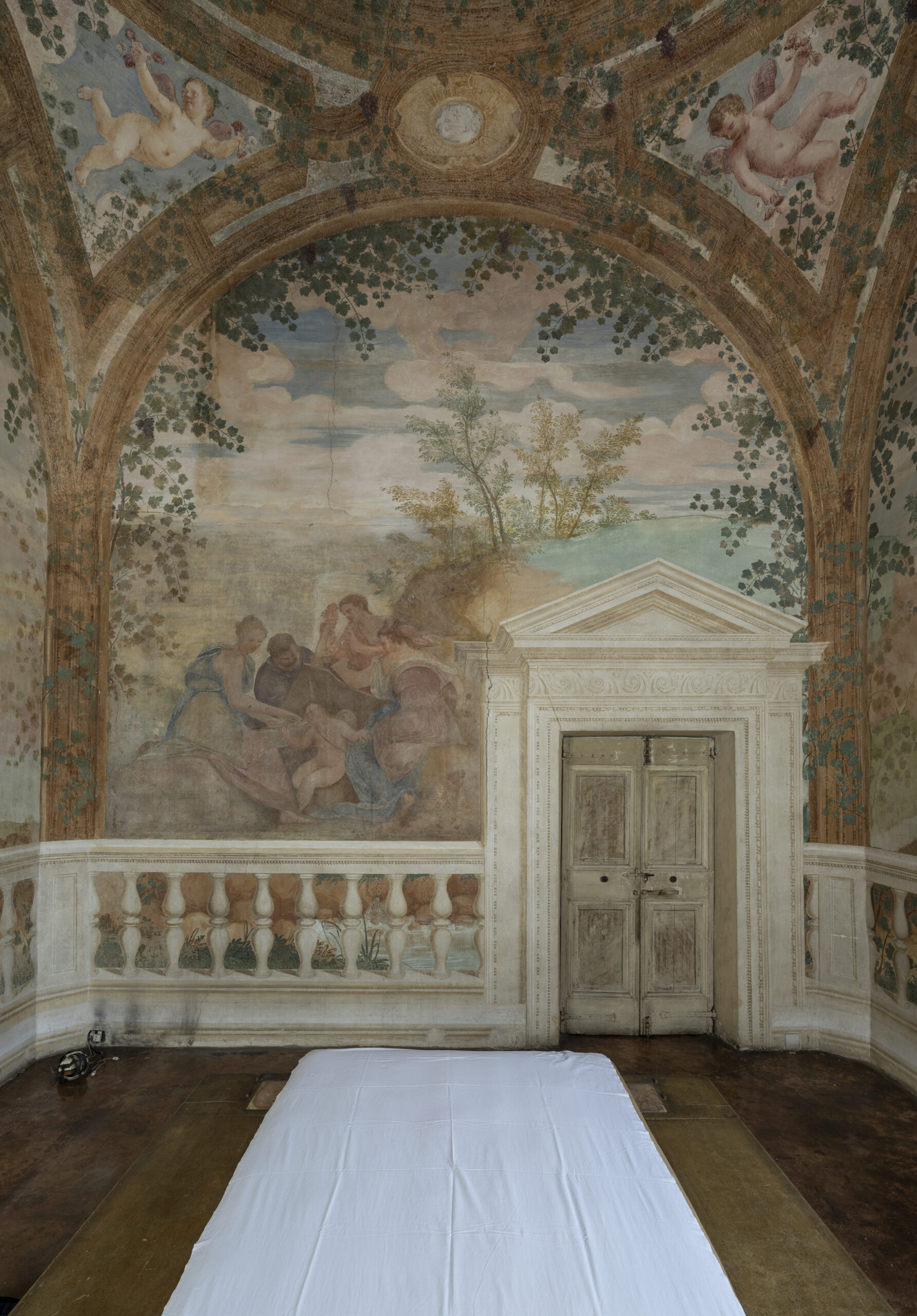
2025 – Room of Bacchus
The first phase of the project focuses on the Room of Bacchus, located in the western apartment.
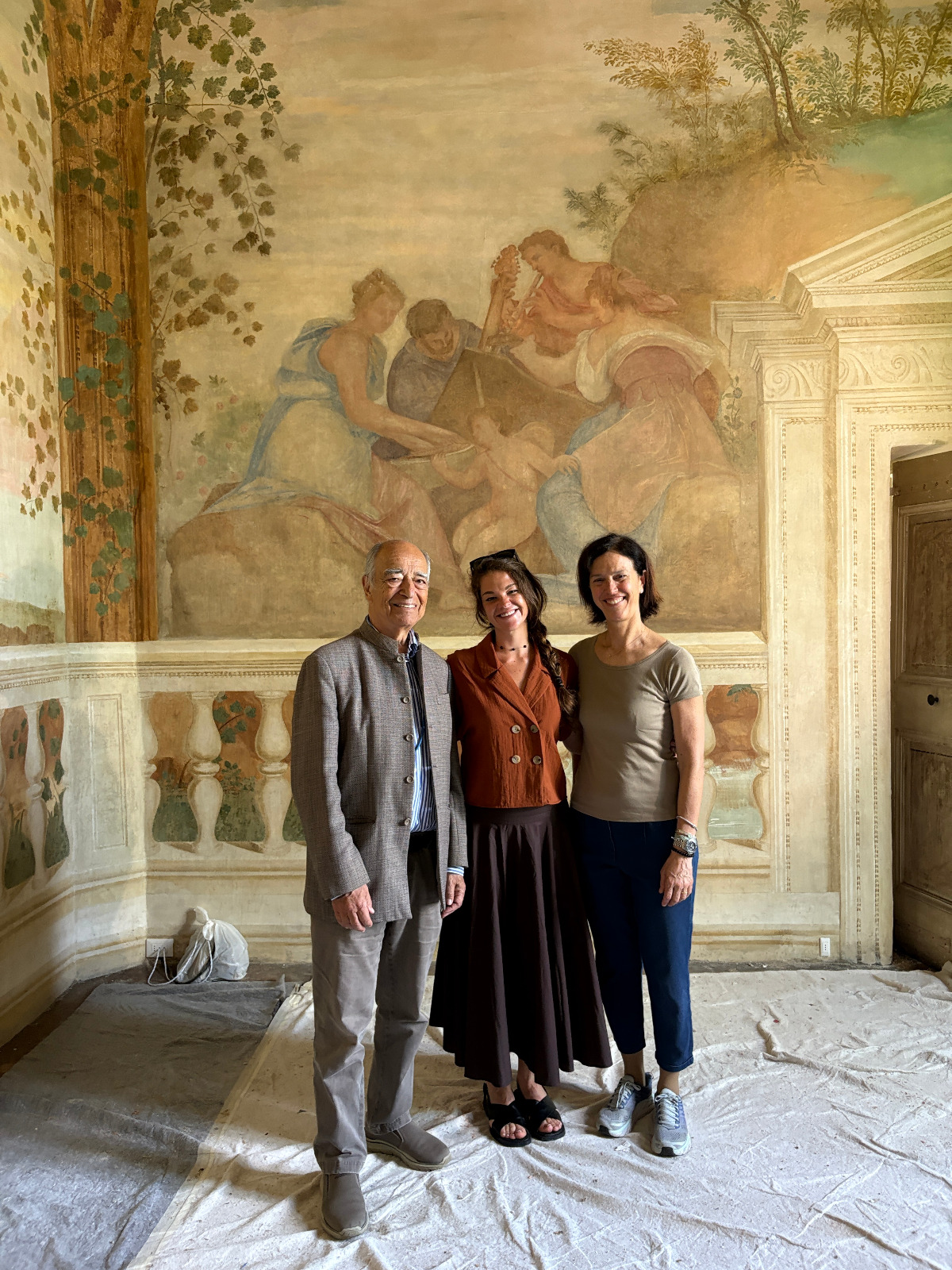
The decoration, executed by Battista Zelotti with the assistance of his workshop, transforms the room illusionistically into an open space. A painted balustrade defines the interior, while a large pergola with vine branches and putti rises towards the vault, where the central scene depicts Venus and Bacchus, accompanied by Ceres.
The walls include a Concert and a Pagan Sacrifice, completing a decorative programme centred on music, love, wine and the pleasures of life in the villa.
2026 – Prometheus Room
In 2026 the project continues in the Prometheus Room, one of the principal rooms of the eastern apartment.
The room takes its name from the scene painted on the vault, in which Prometheus steals fire from the gods to bring it to humankind. In Renaissance humanist culture, the myth of the Titan was associated with knowledge and human ingenuity. The scene forms part of a broader figurative programme that includes the gods of Olympus gathered around Jupiter.
The decoration reflects the cultural background of the patrons and the learned character of the villa’s painted cycle, in which mythological subjects are closely connected with the function and history of the individual rooms.
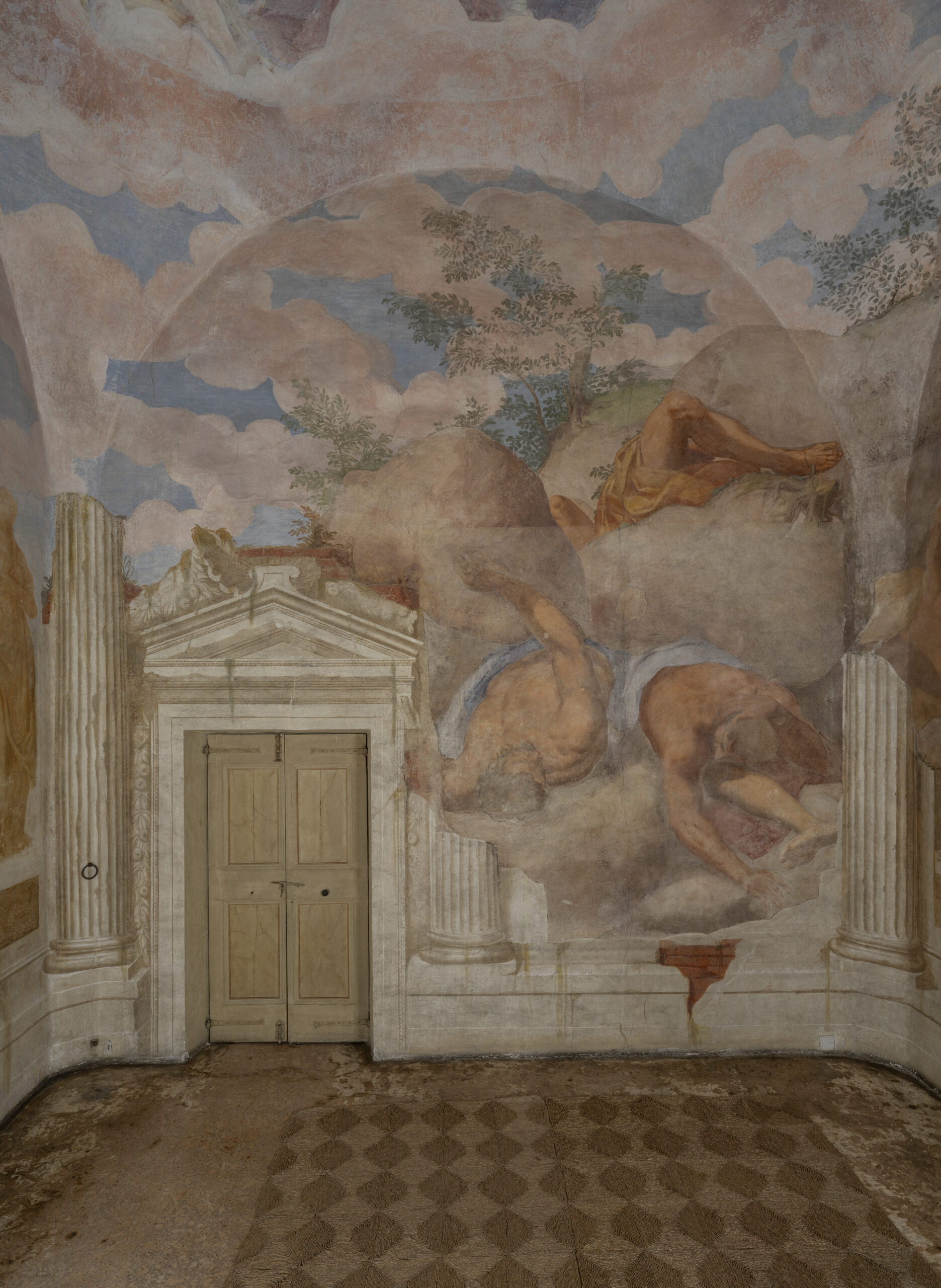
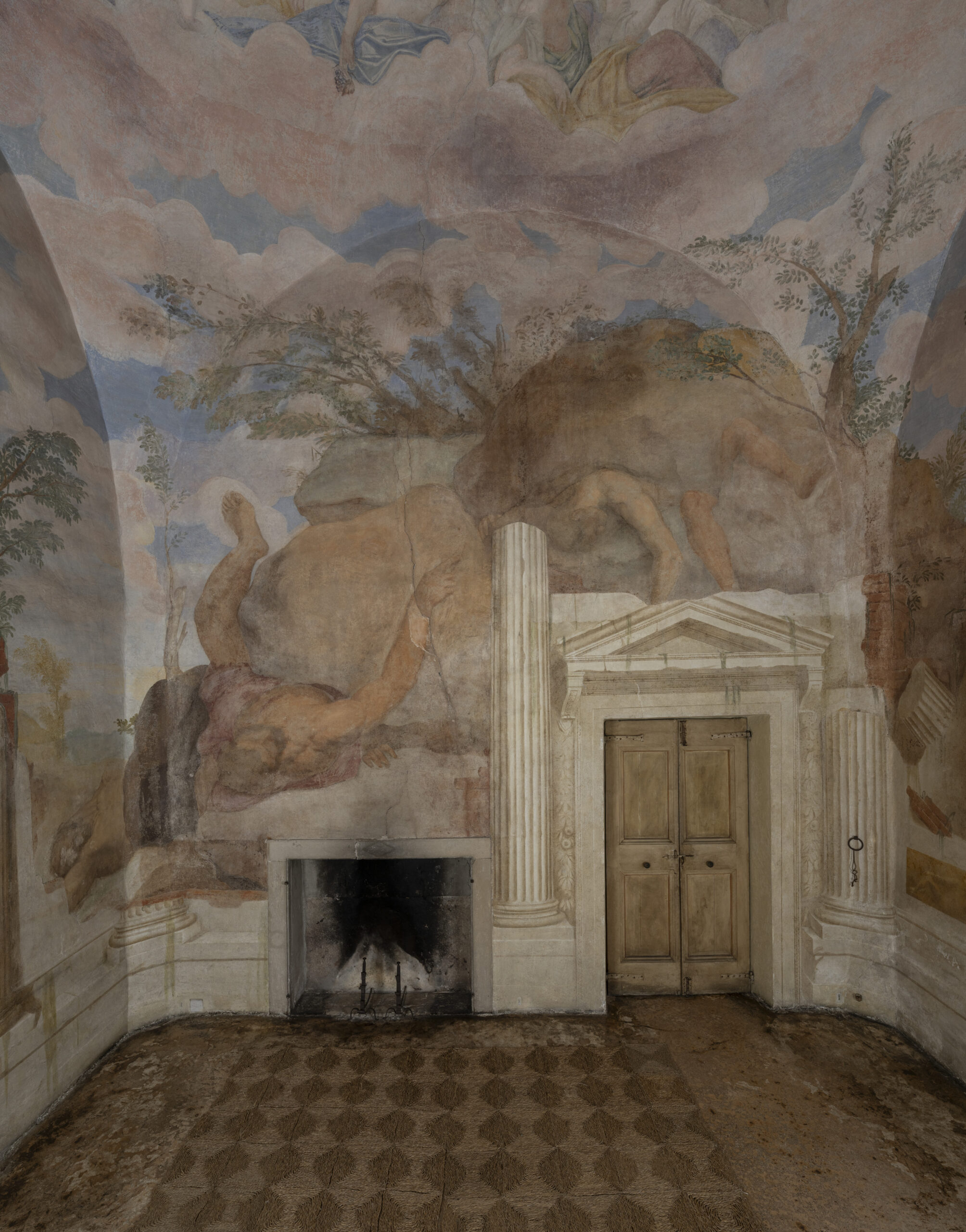
2027 – Room of the Giants
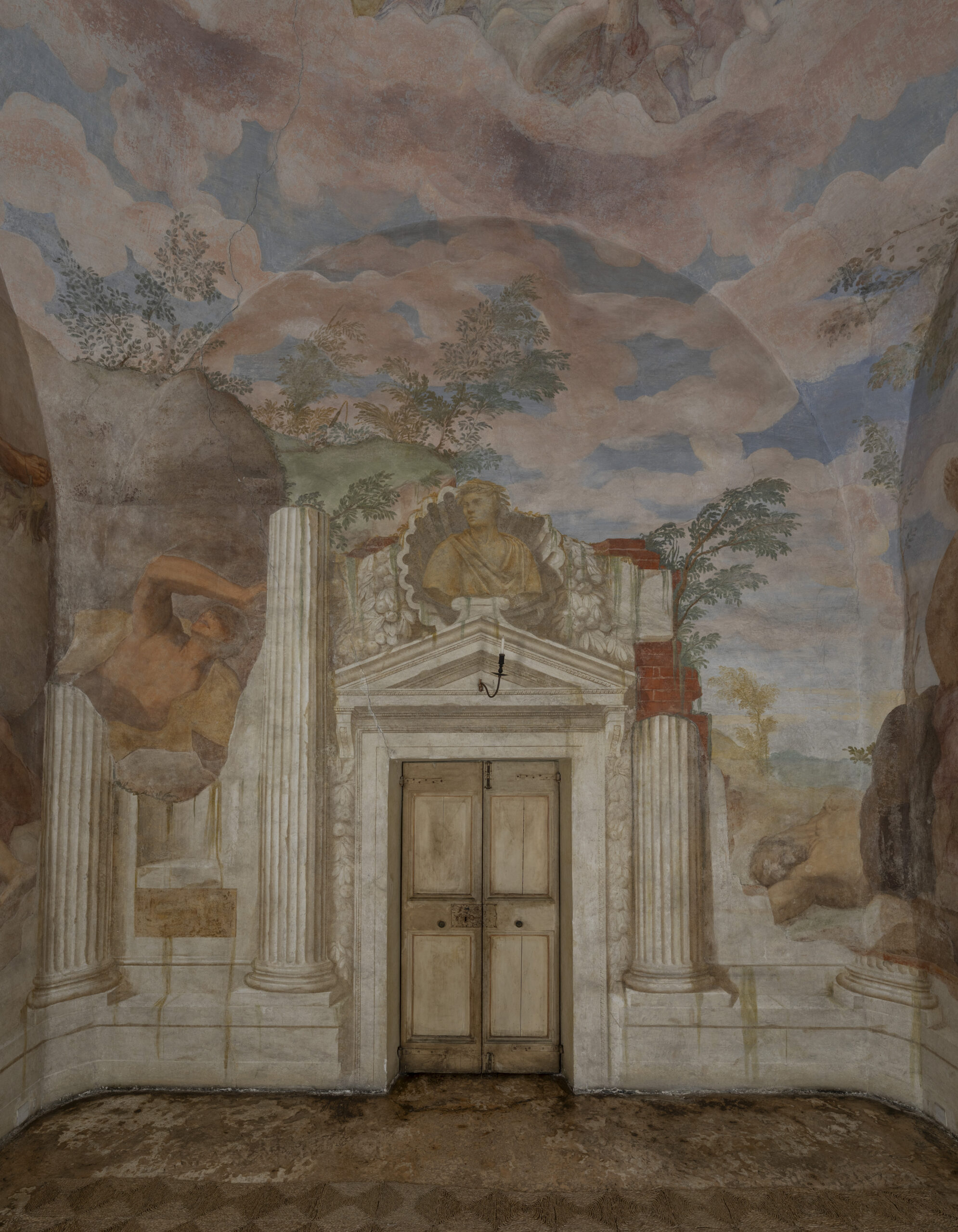
In 2027 the project will focus on the Room of the Giants, in the eastern apartment.
The decoration depicts the Fall of the Giants, the sons of Earth who, according to myth, attempted to reach Olympus and were defeated by Jupiter. The episode extends across the walls and vault, enveloping the entire space of the room.
Battista Zelotti represents the Giants as monumental bodies overwhelmed by the great rocks hurled down from Olympus. Their close proximity to the viewer creates a powerful immersive effect. The composition recalls the celebrated Sala dei Giganti at Palazzo Te in Mantua, reinterpreted in relation to the scale and architecture of Palladio’s villa.
Collaborators
Ownership: Foscari Family
Supervision: Superintendency of Archaeology, Fine Arts and Landscape for the Metropolitan City of Venice
Responsible officials: Elisa Longo and Valeria Saccarola
Works supervision: Rossella Risciscia
Conservator-restorer: Valentina Piovan
Project supervision and participation on behalf of the Isabel und Balz Baechi Foundation: Paola Potenza
Scientific analyses: CMR-LAB s.r.l. – Materials Research and Testing Laboratory
Photography: Matteo De Fina